Zamówienia są zwykle dostarczane do Polski w ciągu 3 dni, zależnie od lokalizacji.
Bezpłatna dostawa do Polski w przypadku zamówień od 200 zł wzwyż. Koszt dostawy zamówień o wartości poniżej 200 zł wynosi 80 zł.
Wysyłki przedpłacone realizowane przez UPS lub FedEx: DDP (taksy i cła opłacone przez DigiKey).
Wysyłki przedpłacone realizowane przez DHL: CPT (taksy, cła oraz VAT należne w momencie dostawy).
Konto kredytowe dla kwalifikujących się instytucji i firm
Płatność z góry przelewem elektronicznym
![]()
![]()
![]()
![]()


Więcej produktów od w pełni autoryzowanych partnerów
Średni czas wysyłki 1-3 dni. Mogą obowiązywać dodatkowe opłaty transportowe. Rzeczywisty termin wysyłki można sprawdzić na stronie produktu, w koszyku i podczas finalizacji zamówienia.
Warunki Incoterms: CPT (opłaty celne, cła oraz VAT należne w momencie dostawy)

Więcej informacji można znaleźć w części Pomoc i wsparcie
This guide demonstrates how to add a custom object detection machine learning model to the XRP robot.
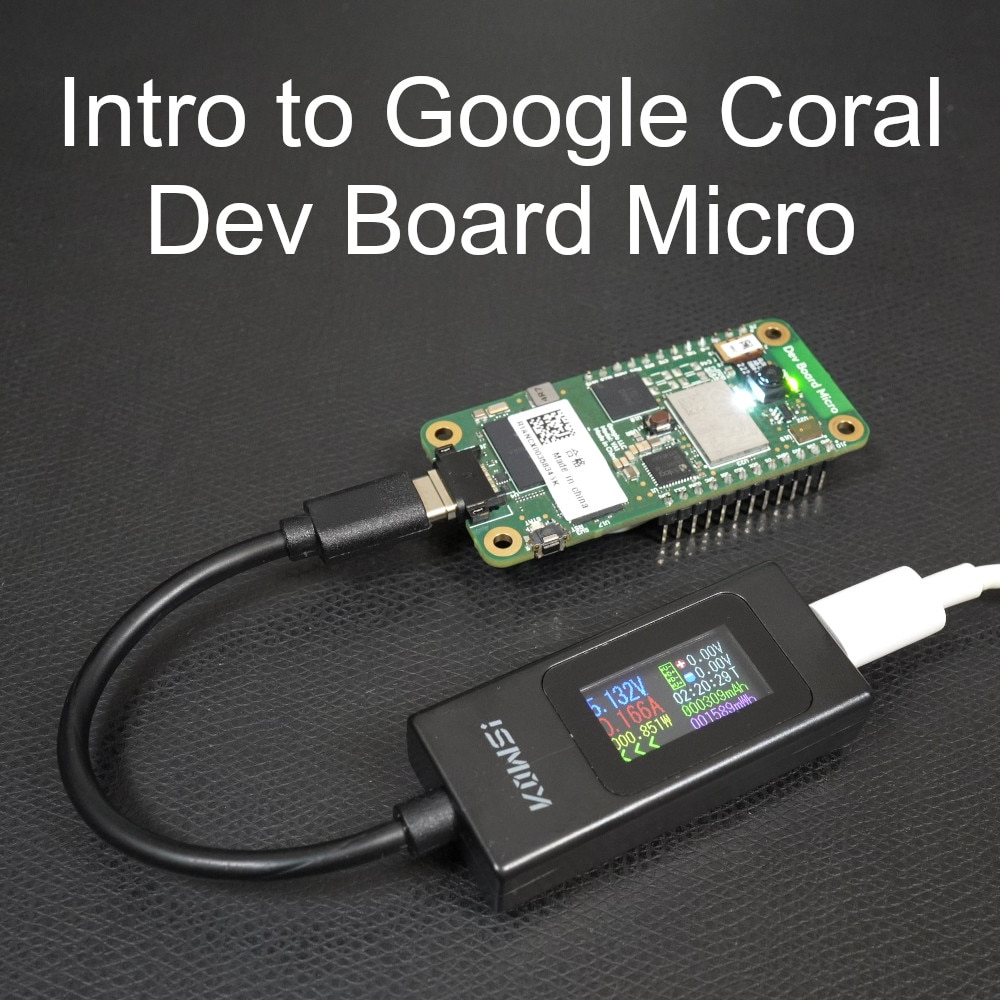
This tutorial demonstrates how to train and deploy a custom object detection model for the Google Coral Dev Board Micro.
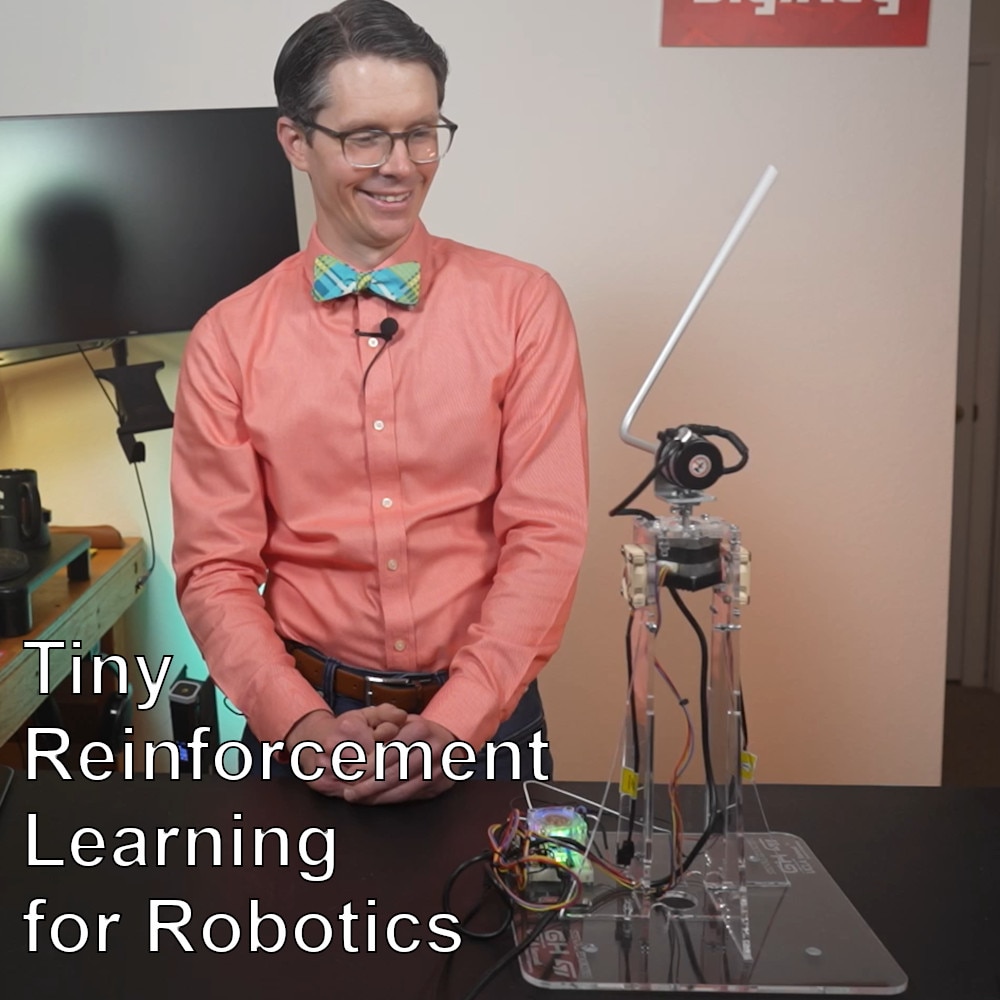
This project demonstrates using reinforcement learning to solve the swing-up problem on an inverted pendulum
This tutorial demonstrates hyperparameter tuning using Meta's Ax framework for a common reinforcement learning problem
In this tutorial, we demonstrate how to manually tune a PID controller.
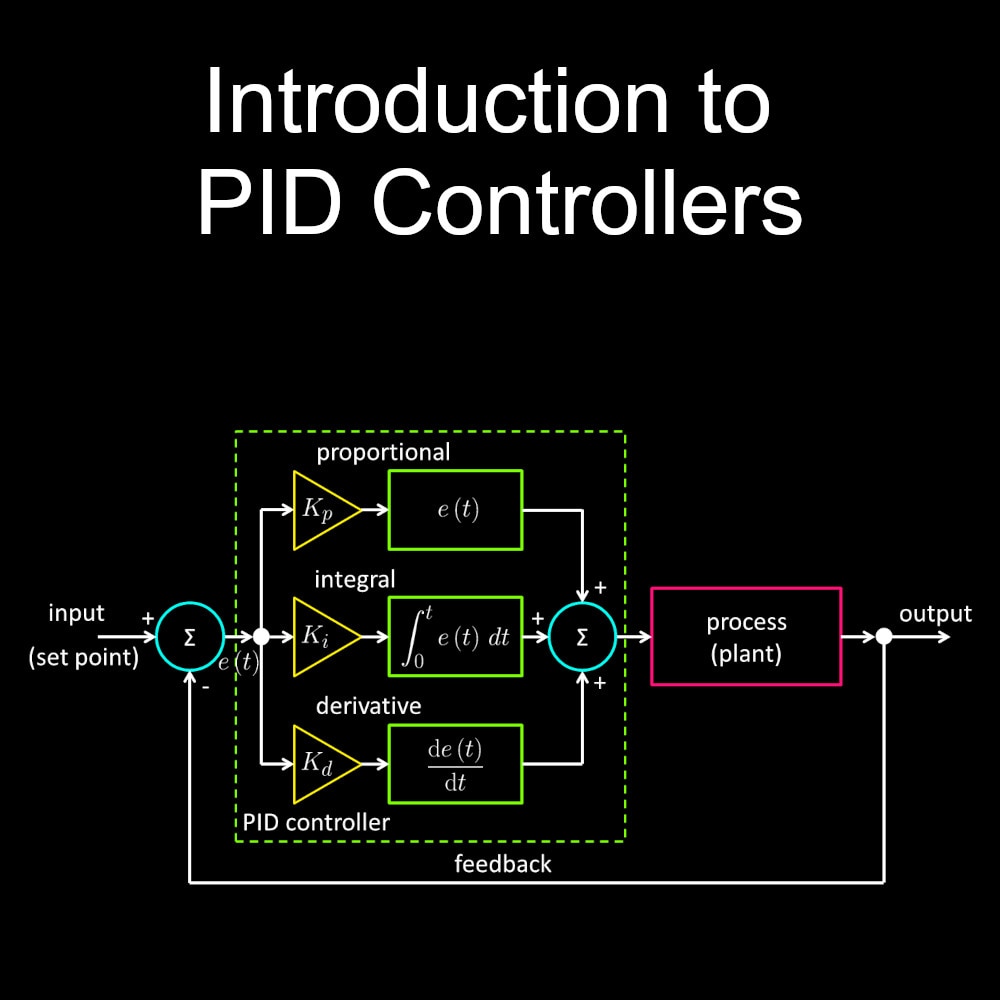
In this post, we cover the basic theory behind PID controllers. PID stands for “Proportional, Integral, Derivative," and they are commonly used in industrial settings to control various processes.
Digit's AI-powered brain enables local real-time voice conversations using Hopper Chat and Llama 3. Learn how to set it up with NVIDIA Jetson Orin Nano.
In this tutorial, we'll create a very simple button-controlled blinking LED program using Embassy's async functions and task spawning, demonstrating how async/await syntax allows you to write concurrent code that appears sequential while the executor efficiently switches between tasks.
In this tutorial, we’ll explore how to use the Raspberry Pi Debug Probe to perform step-through debugging in Rust.
In this tutorial, we'll explore how to configure and handle timer interrupts on the Raspberry Pi Pico 2, creating a blinking LED program where the processor spends most of its time sleeping while hardware interrupts handle all the timing.
In this tutorial, we'll explore how to apply TDD principles to embedded Rust by writing unit tests for our TMP102 driver library.
In this tutorial, we’ll discuss the concept of lifetimes and demonstrate a few ways in which you can help the compiler (and borrow checker) understand your intentions with references by using lifetime annotations.
In this tutorial, we'll learn how to create a reusable library (crate) in Rust by extracting our TMP102 sensor code into a separate package that can be shared across multiple projects.
Wspólne przeglądanie
By using the Co-Browse feature, you are agreeing to allow a support representative from DigiKey to view your browser remotely. When the Co-Browse window opens, give the session ID that is located in the toolbar to the representative.
DigiKey respects your right to privacy. For more information please see our Privacy Notice and Cookie Notice.
Tak, przejdź do wspólnego przeglądaniaDziękujemy!
Sprawdzaj swoją skrzynkę pocztową. Znajdziesz tam wiadomości i aktualizacje związane z firmą DigiKey!
Wprowadź adres e-mail.
Zaznacz pole wyboru